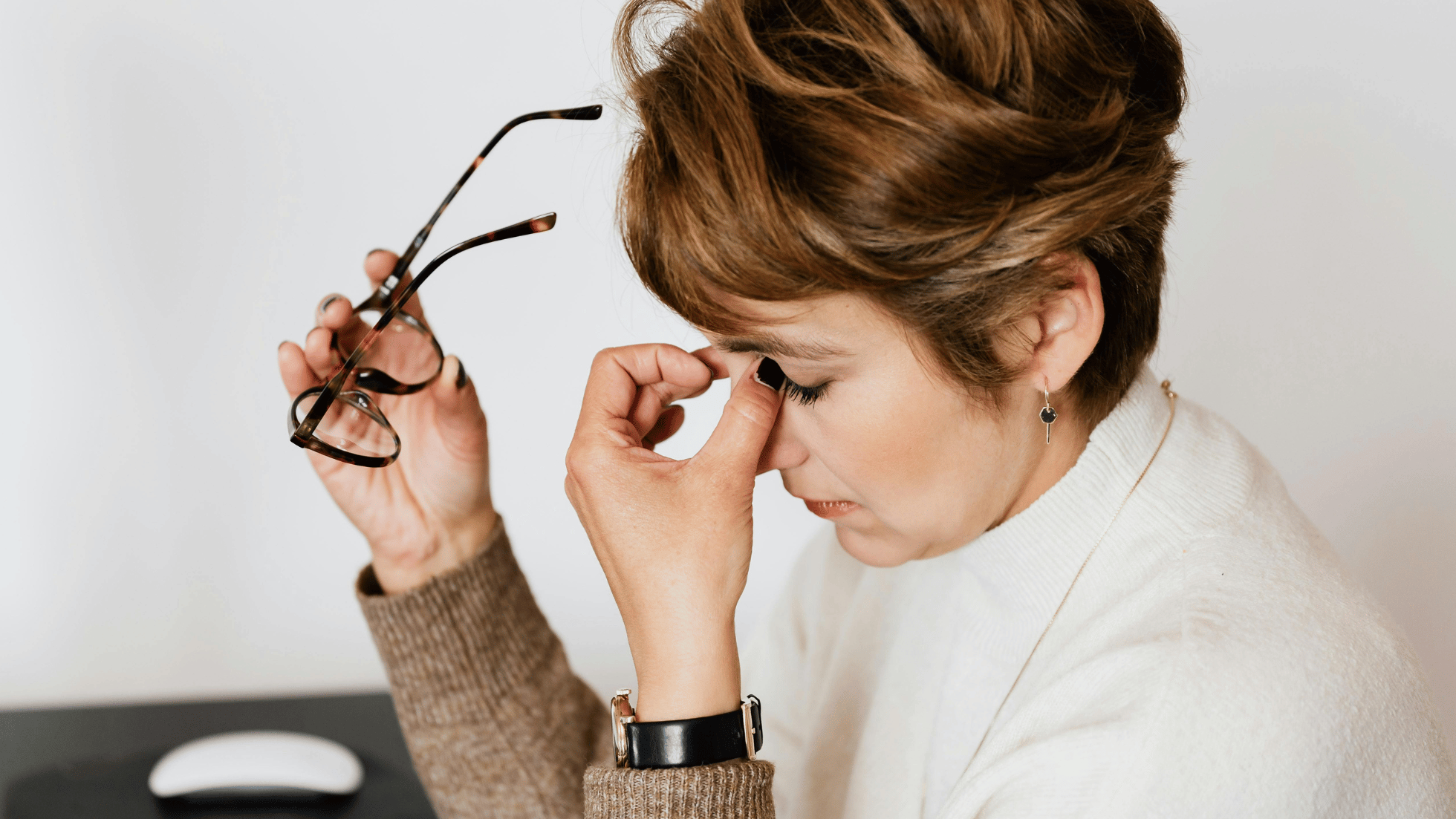
Most people expect bruises, headaches, or dizziness after a concussion or brain injury, but they are often surprised when emotions, memory, and relationships also begin to change. You might look “fine” on the outside and yet feel like a completely different version of yourself on the inside.
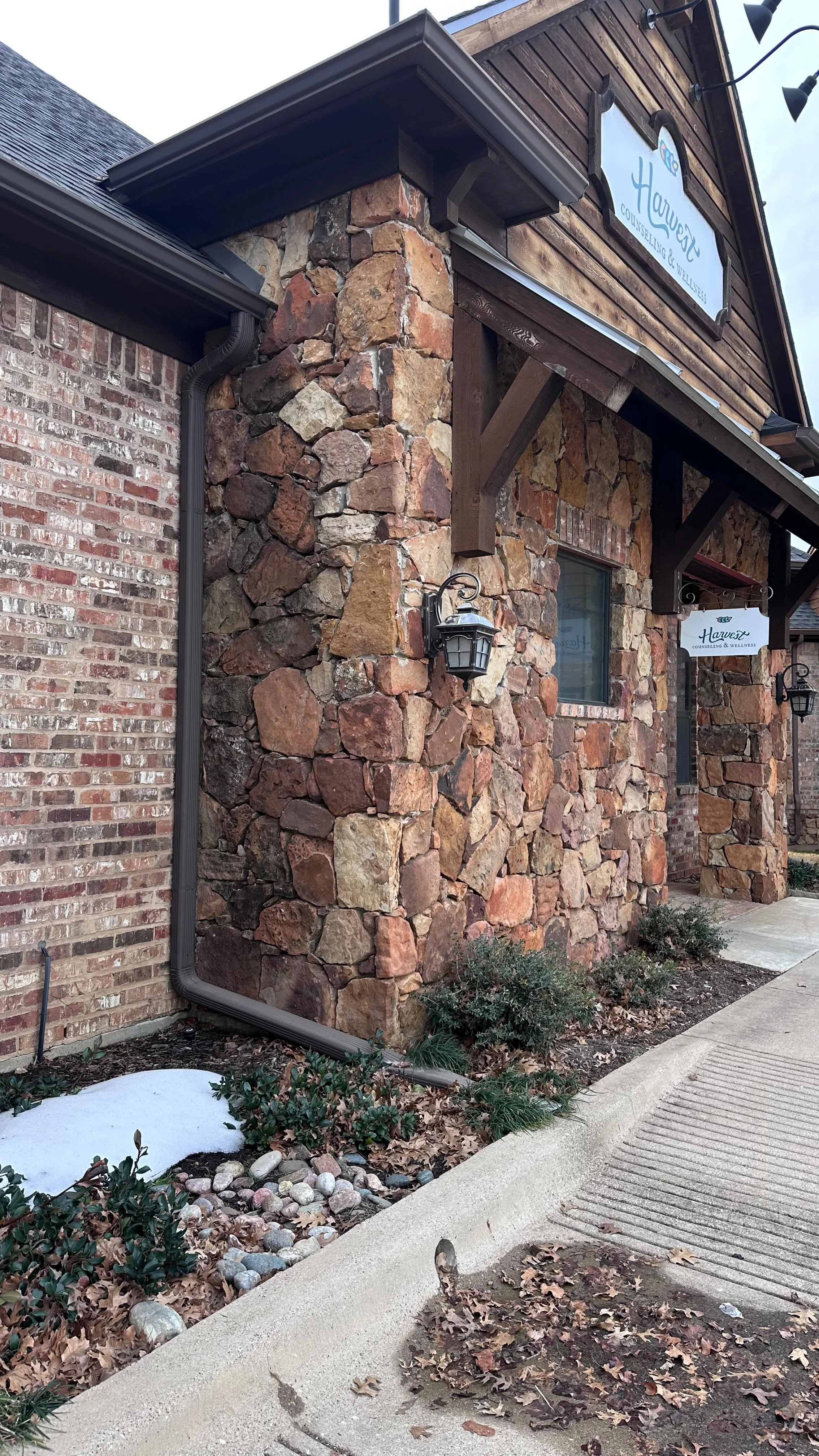
At Harvest Counseling & Wellness, we walk with many individuals and families who are navigating these invisible changes after a brain injury. In this post, we’ll explore why brain injuries affect emotions, memory, and relationships—and how compassionate, faith-informed support can help you heal.
How the Brain Connects to Emotions and Memory
Your brain is the control center for how you feel, think, and connect with others. Different areas do different jobs: the frontal lobes help with decision-making and self-control, the amygdala helps you process threat and strong emotions, and the hippocampus plays a key role in forming and storing memories.
When a brain injury happens, these areas can be bruised, stretched, or disrupted, even if the scan looks “normal.” This can make it harder to regulate emotions, remember information, or respond to others the way you used to, which often leads to confusion and distress for both the injured person and their loved ones.
Emotional Changes After a Brain Injury
After a brain injury, it’s common to experience emotional changes such as irritability, anger, anxiety, depression, mood swings, or emotional “lability” (crying or laughing more easily than before). These shifts are not simply “overreactions” or character flaws—they can be the direct result of changes in brain circuits that were previously keeping your emotions balanced.
There is also the emotional impact of the trauma itself: grief over losses, frustration about symptoms that won’t go away, and the stress of adjusting to a “new normal.” Many clients describe feeling like their “fuse is shorter” or like they are watching themselves react in ways that don’t match who they know themselves to be.
Memory, Thinking, and Everyday Life
Brain injuries frequently affect memory and thinking skills, including attention, processing speed, and the ability to hold on to new information. People may struggle to remember conversations, appointments, or instructions, or they may lose track of what they were doing mid-task.
These cognitive changes can create a painful cycle with emotions. When you keep forgetting things, it’s easy to feel embarrassed, ashamed, or anxious, which can further drain your mental energy. Over time, this may lead to self-doubt (“What’s wrong with me?”) and withdrawal from activities or relationships that used to feel easy.
Why Relationships Often Feel Different After a Brain Injury
Because brain injuries touch mood, memory, and behavior, they almost always impact relationships. Partners or family members may notice that the person seems more reactive, forgetful, or “distant,” while the injured person may feel misunderstood, overwhelmed, or overly dependent on others.
Common relational challenges include miscommunication, repeating questions, increased conflict, or changes in roles and responsibilities at home. Spouses sometimes describe feeling like they’re “married to a stranger,” and friends may drift away if they don’t understand that these changes are neurological, not intentional. Naming these patterns as brain-based is often the first step toward healing rather than blaming.
The Hope of Neuroplasticity: How the Brain Can Heal
The encouraging news is that the brain is designed with an incredible capacity called neuroplasticity—its ability to adapt, reorganize, and form new connections after injury. While recovery can be slow and nonlinear, consistent therapeutic support and targeted exercises can help the brain strengthen healthier pathways over time.
Rehabilitation that gently challenges thinking skills, emotional regulation, and daily routines can support this rewiring process. Many people notice gradual improvements in focus, mood stability, and resilience as new pathways grow and old ones are compensated for, especially when emotional and spiritual support are integrated into care.
How Counseling Supports Emotional and Relational Recovery
Therapy can play a powerful role in helping individuals and families navigate life after a brain injury. Trauma-informed counseling provides a safe space to process grief, anger, fear, and identity changes that often follow TBI. A therapist can also teach practical skills for emotional regulation, communication, and problem-solving that are tailored to the changes in your brain.
Family and couples counseling helps loved ones understand what is happening neurologically, reduces blame, and offers tools for communicating more clearly and compassionately. Psychoeducation, boundary-setting, and conflict resolution skills can turn “us vs. the injury” into a shared mission rather than a source of division.
Neurofeedback, Psychiatry, and Holistic Brain Support
In addition to talk therapy, brain-based approaches like neurofeedback can support emotional regulation by training the brain to move toward more stable patterns of activity. While specific protocols vary, neurofeedback is rooted in the same principle of neuroplasticity—helping the brain learn healthier rhythms over time.
For some people, psychiatric evaluation and carefully monitored medication can also be an important part of stabilizing mood, anxiety, or sleep after brain injury. Combined with nutrition support, trauma-informed care, and spiritual resources, this holistic approach honors the whole person—body, brain, and soul.
Faith, Meaning, and Finding Yourself Again
For many Christians, brain injury raises deep spiritual questions: “Why did this happen? Who am I now? Where is God in this?” Honest, compassionate space to wrestle with these questions can be just as important as medical care. Gentle reminders of God’s presence, even in suffering, can offer comfort when life feels unpredictable.
Christian counseling can help you explore how faith fits into your healing story, rebuild a sense of purpose, and reconnect with hope one step at a time. You are not defined by your injury; your identity in Christ remains secure, even as your brain and relationships change.
How Harvest Counseling & Wellness Can Help
Harvest Counseling & Wellness offers counseling, psychiatry, nutrition support, and neurofeedback for children, teens, and adults who are living with the effects of brain injury and trauma. Our team understands how overwhelming it can feel when emotions, memory, and relationships no longer work the way they used to, and we walk alongside both individuals and families with compassion and practical tools.
Whether you are in Argyle, Denton, Flower Mound, Roanoke, Southlake, or Northlake, we provide in-person and online therapy options to support your healing journey.
If you or someone you love is struggling with emotional changes, memory problems, or relationship strain after a brain injury, you do not have to walk this road alone. Reach out to Harvest Counseling & Wellness today to schedule an appointment and begin the process of rebuilding emotional health, connection, and hope.