Imagine someone in a minor car accident who “walks away fine,” only to notice months later that they are more irritable, foggy, and overwhelmed at work. They may be treated for depression or anxiety without anyone asking, “Have you ever hit your head?”
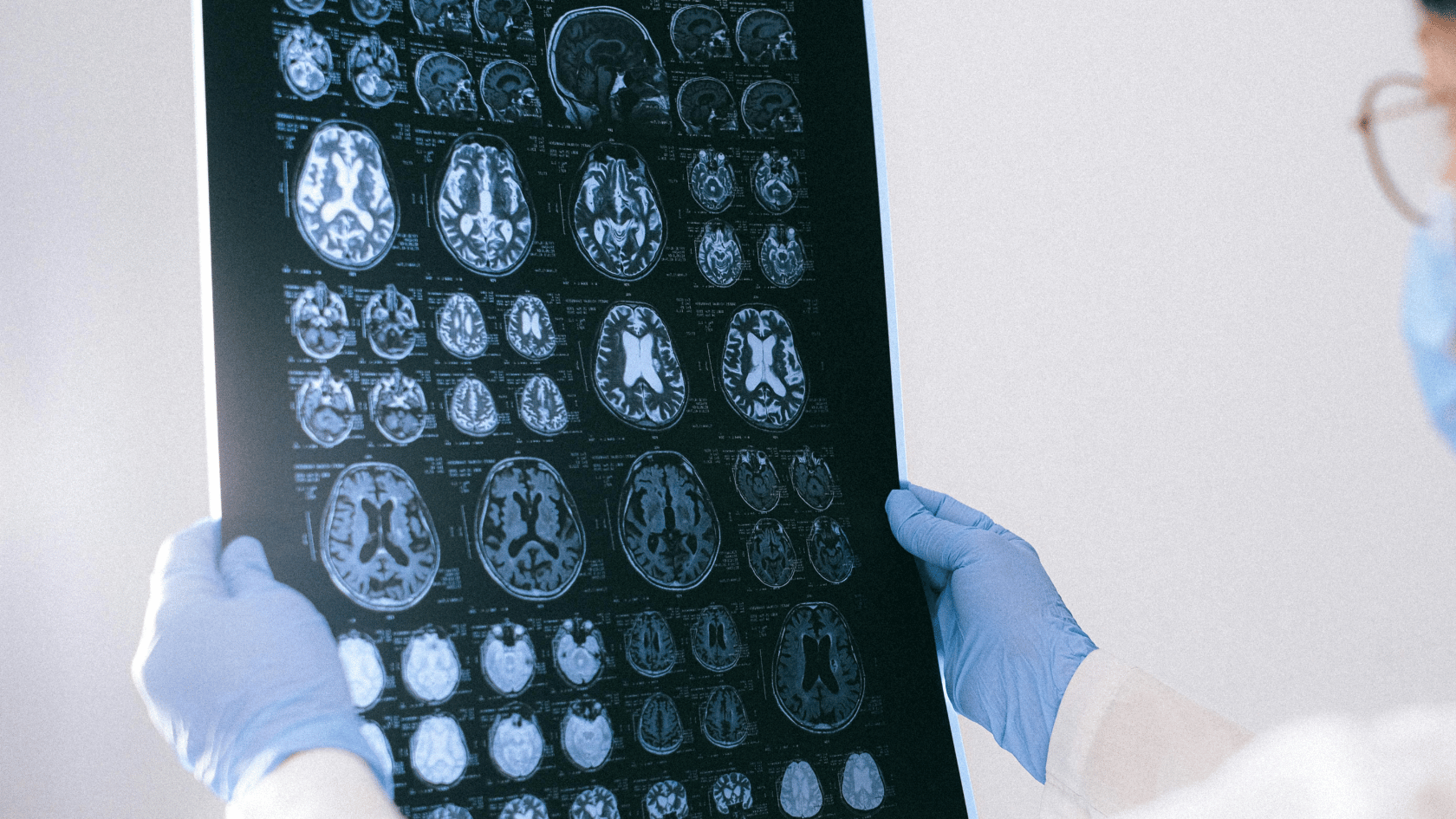
Mild traumatic brain injuries (mTBIs), often called concussions, can cause persistent symptoms that last months or even years, even when scans look normal and the original injury seemed minor.
What Is a Hidden Brain Injury?
A hidden brain injury is usually a mild TBI or concussion where there was no obvious loss of consciousness, major hospital stay, or dramatic imaging findings, yet the brain was still injured. These injuries are common after car accidents, sports impacts, falls, or whiplash-type events.
Because there may be no visible wound or broken bone, people are often told to “rest a few days” and then go back to life—only to notice changes much later that do not seem connected at all.
Why Symptoms Can Be Delayed
The brain is remarkably resilient, but it is also delicate. After an injury, several processes can make symptoms show up late:
Neuroinflammation: Low-grade inflammation in the brain can linger and subtly affect how brain cells communicate over time.
Disrupted networks: Even a mild blow can disrupt the connections between brain regions responsible for attention, mood, balance, and sleep, leading to symptoms that emerge as life demands increase.
Accumulated stress: As a person returns to school, work, caregiving, or ministry responsibilities, the brain’s reduced capacity becomes more apparent and coping skills get stretched thin.
In some studies, a significant number of people with mild TBI still report multiple symptoms several years later, showing that these are not “just in their head” in the psychological sense but reflect real, ongoing brain changes.
Common Symptoms Months or Years Later
Many people with a past concussion or head impact begin to notice patterns that do not fit their old selves. Common late-appearing or long-lasting symptoms include:
Cognitive: Brain fog, slowed thinking, trouble concentrating, memory lapses, difficulty multitasking.
Emotional: Irritability, depression, anxiety, mood swings, feeling “not like myself,” lower stress tolerance.
Physical: Persistent headaches, dizziness or balance problems, fatigue, sleep issues, sensitivity to light or noise.
Other changes: Altered sense of smell or taste, difficulty reading or using screens, overwhelm in busy environments (stores, church, school events).
These symptoms are easily mistaken for “just stress,” burnout, or purely psychological struggles, which can delay appropriate assessment and support.
How Brain Injury and Trauma Overlap
For many clients, physical brain injury and emotional trauma become intertwined. A car accident, fall, assault, or sports collision can be both frightening and physically damaging to the brain.
Trauma-related conditions like PTSD, anxiety, and depression often coexist with post-concussive symptoms, and each can worsen the other. Someone may work faithfully in therapy on coping skills and trauma processing, yet still feel stuck because an underlying brain injury has not been identified or addressed.
When to Suspect a Hidden Brain Injury
It may be helpful to explore a hidden brain injury if:
Symptoms started or worsened after an accident, fall, whiplash, sports hit, assault, or sudden jolt—even if you “felt fine” at first.
Cognitive and emotional struggles have not responded as expected to counseling or medication alone.
You notice a clear “before and after” in your life—energy, patience, memory, and mood changed and never fully returned to baseline.
Everyday tasks (school, work, parenting, ministry, worship, driving) feel far more draining than they used to.
If this sounds familiar, it does not mean you are broken or faithless; it may mean your brain is asking for a different kind of support.
Pathways to Healing: The Brain Can Change
The hopeful news is that the brain is capable of neuroplasticity—it can adapt, rewire, and strengthen pathways even years after an injury. A comprehensive approach often includes:
Targeted therapies: Neurofeedback, cognitive rehabilitation, and structured brain exercises to gently retrain brain networks.
Counseling: Trauma-informed, cognitive behavioral therapy, and faith-integrated therapy to process the emotional impact, adjust expectations, and rebuild identity and relationships.
Lifestyle and medical care: Sleep support, nutrition, medical evaluation, vestibular/physical therapy, and pacing activities to respect the brain’s limits.
Neurofeedback in particular uses EEG to give the brain real-time feedback so it can learn more stable, efficient patterns of activity, which may improve attention, mood regulation, and sleep after a TBI.
How Harvest Counseling & Wellness Can Help
At Harvest Counseling & Wellness, our team works with children, teens, and adults who are experiencing confusing symptoms that may be related to past injuries or trauma. We integrate trauma therapy, cognitive behavioral therapy, Christian counseling, and brain-based approaches like neurofeedback to address both the emotional and neurological sides of your story.
Our clinicians collaborate with medical providers and, when appropriate, encourage further evaluation (such as neurological or neuropsychological assessment) to ensure that hidden brain injuries are not overlooked. Whether you are noticing new symptoms months after an event or have been struggling for years, you do not have to untangle this alone.
If you recognize yourself or someone you love in this description, consider this an invitation—not to self-diagnose, but to be curious. Your brain, body, and story matter, and it is okay to seek help.
To explore whether your symptoms might be related to a hidden brain injury and to learn more about counseling or neurofeedback therapy at Harvest Counseling & Wellness, you can reach out to schedule an appointment or consultation today.