Healing after a brain injury or concussion is not just about rest and therapy—what you eat can meaningfully support your brain’s ability to recover and stabilize mood.
Honoring Your Brain’s Healing Journey
After a concussion or traumatic brain injury, the brain is working overtime to repair cells, calm inflammation, and restore normal communication between brain regions.
Many people notice symptoms like brain fog, irritability, sadness, anxiety, sleep changes, and low stress tolerance during this phase.
The encouraging news is that gentle, consistent nutrition changes can support these healing processes and complement counseling, neurofeedback, and medical care.
What Happens in the Brain After Injury
In the hours and days after a brain injury, the brain experiences a metabolic “energy crisis”: it needs more fuel, but its ability to use that fuel is temporarily impaired.
There is often increased inflammation and oxidative stress (a kind of cellular “rust”) that can damage delicate brain tissue if it goes unchecked.
Because of this, the recovering brain has a higher demand for calories, antioxidants, and healthy fats to rebuild and protect brain cells.
How Food Talks to the Brain
Food does more than fill you up; it sends chemical messages that can quiet inflammation, stabilize blood sugar, and support the production of neurotransmitters like serotonin and dopamine.
Anti-inflammatory, nutrient-dense foods are associated with better brain structure and slower cognitive decline over time, while highly processed, pro-inflammatory diets are linked with more brain shrinkage and higher dementia risk.
For concussion recovery, this means that your daily meals can either help your brain heal or make symptoms like fatigue, brain fog, and mood swings more intense.
Everyday Nutrition Strategies After Concussion
You do not need a perfect diet to support brain healing—small, repeatable steps matter more than rigid rules.
Here are some practical starting points you can discuss with your provider:
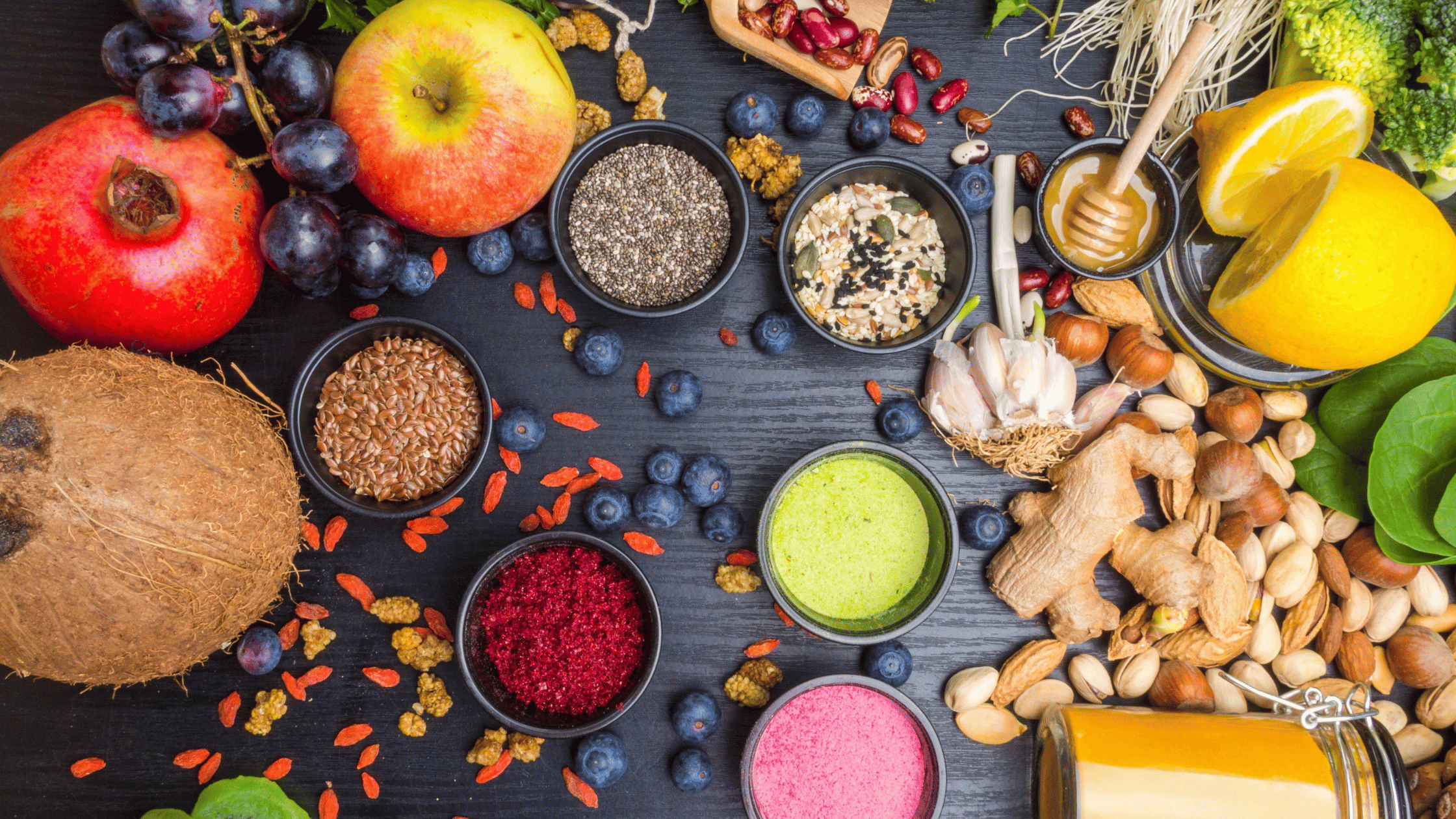
Choose more anti-inflammatory foods: Aim for fatty fish (like salmon), leafy greens, colorful vegetables, berries, nuts, seeds, olive oil, and legumes most days of the week.
Eat small, frequent meals: Because appetite and energy can be low after a concussion, try small meals or snacks every 2–3 hours instead of three large meals.
Support gut health: Include fiber-rich foods (fruits, vegetables, oats, beans) and, when appropriate, fermented foods like yogurt or kefir to support the gut–brain connection.
Balance blood sugar: Pair carbohydrates (like fruit or whole grains) with protein or healthy fat (nuts, nut butter, cheese, hummus) to keep energy and mood more stabilized.
Stay well hydrated: Water, herbal tea, and low-sugar electrolyte drinks can ease headaches and fatigue and help your brain use nutrients effectively.
Gently limit added sugars and ultra-processed foods: High-sugar, highly processed diets are associated with more inflammation and slower recovery.
Key Nutrients That Support Brain Recovery
Certain nutrients seem especially helpful for supporting brain structure, calming inflammation, and stabilizing mood during recovery.
Omega-3 fatty acids (EPA and DHA): Found in fatty fish, walnuts, flax, and chia seeds; these healthy fats help repair cell membranes and may support brain remodeling after injury.
Antioxidants: Berries, leafy greens, colorful vegetables, and spices like turmeric provide compounds that help neutralize oxidative stress.
Protein: Lean meats, eggs, beans, lentils, nuts, and dairy provide amino acids needed for tissue repair and neurotransmitter production.
B vitamins (including B2): Whole grains, dairy, nuts, and leafy greens support energy production in the brain’s “power plants.”
Magnesium and zinc: Nuts, seeds, whole grains, and legumes provide minerals that can help regulate the stress response and support brain signaling.
A simple example of a “brain-supportive” day of eating might include:
Breakfast: Smoothie with berries, spinach, Greek yogurt, and ground flaxseed.
Lunch: Salmon or grilled chicken over quinoa with leafy greens, olive oil, and colorful vegetables.
Snack: A small handful of nuts and seeds with a piece of fruit.
Dinner: Brown rice or sweet potato with beans or lean protein and roasted vegetables in olive oil.
Mood, Emotions, and Food After Brain Injury
It is very common to notice mood swings, anxiety, or low mood after a concussion or brain injury, and these changes are not a character flaw—they are part of what the brain is going through.
Blood-sugar swings, inflammation, and nutrient gaps can sometimes intensify emotional symptoms, which is why stabilizing meals and nourishing foods can be an important part of mood care.
Many people also find that focusing on one or two doable nutrition habits gives them a sense of agency in a season that can otherwise feel unpredictable and out of control.
When to Get Extra Support
If you or your child notice that symptoms are lingering, appetite is very low, or it feels overwhelming to plan meals, it may be time to reach out for additional support.
Working with a therapist, concussion-informed medical provider, and nutrition professional together can help you address sleep, stress, mood, and food in a coordinated way.
At Harvest Counseling and Wellness, our team offers counseling, psychiatric support, and nutrition services that can be woven into your broader brain-injury recovery plan.
Taking the Next Step
Healing from a brain injury or concussion is a marathon, not a sprint, and it is normal to have both hopeful days and hard days along the way.
You do not have to overhaul everything at once; even adding one more glass of water, one serving of berries, or one balanced snack is a meaningful investment in your brain.
If you are ready for more personalized guidance and faith-centered support on your recovery journey, you are welcome to contact Harvest Counseling and Wellness to schedule an appointment and begin a more integrated approach to healing.