There is a different kind of quiet that exists in a play therapy waiting room.
It’s often filled with a mix of emotions: a little bit of hope, a dash of exhaustion, and, if we’re being honest, a heavy dose of "parent guilt." You might be sitting there scrolling through your phone, wondering, “How did we get here?” or “Is she really getting anything out of just playing with blocks?”
If you are the parent sitting in that waiting room, we want you to take a deep breath. You aren’t there because you failed. You are there because you are brave enough to give your child a language they didn't know they had.
Toys are Words, Play is Language
We often expect children to sit down and explain their feelings like mini-adults. But the prefrontal cortex—the part of the brain responsible for logic and verbal expression—is still under construction.
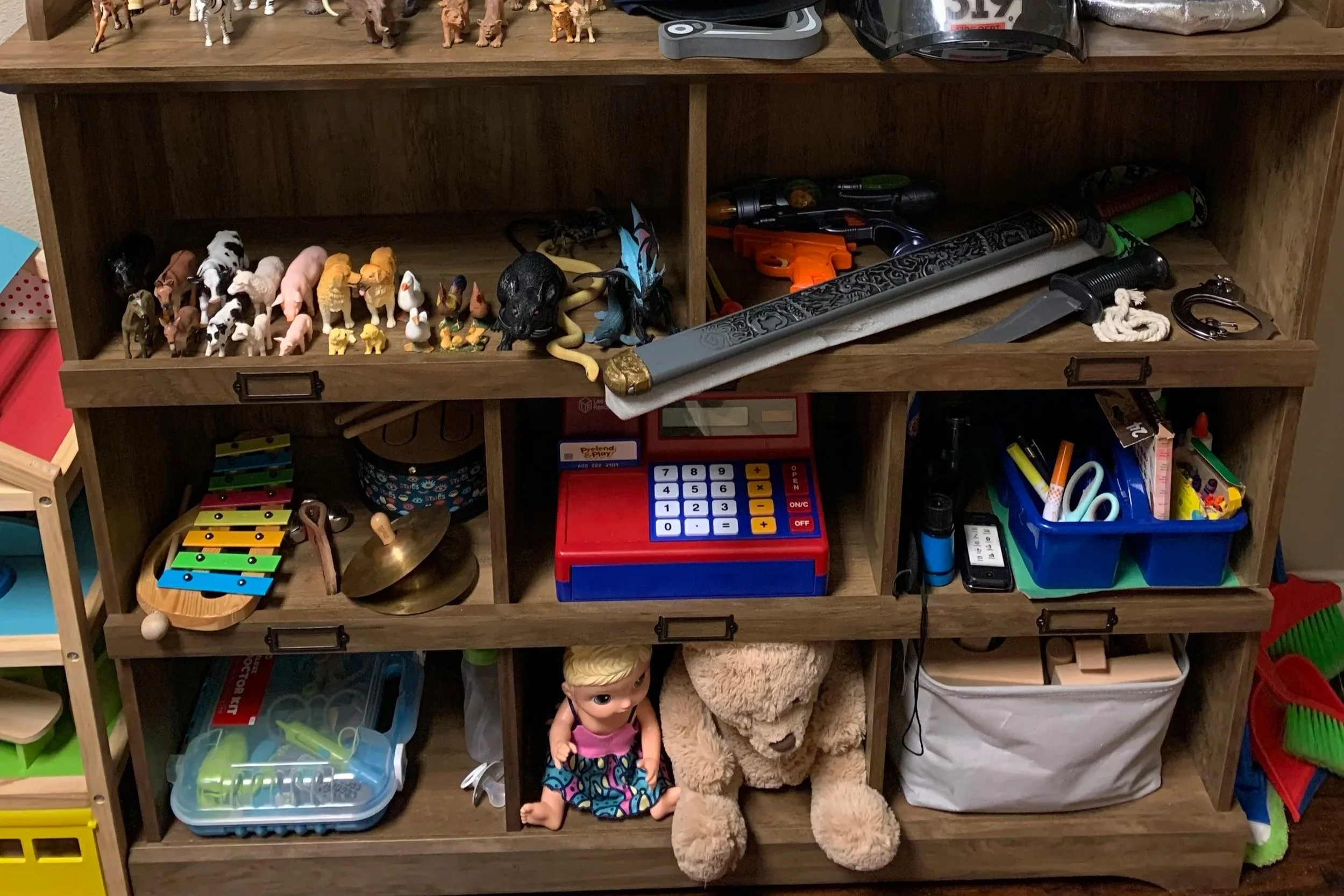
When your child enters the playroom, they aren’t "just playing." They are communicating.
The Dollhouse might be where they rehearse a difficult conversation at school.
The Art Station might be where they externalize a fear that is too big to name.
The Sand Tray is often where they rebuild a world where they feel safe and in control.
In this space, the therapist isn't just a supervisor; they are a translator.
The Power of “Shared Bravery"
It takes an incredible amount of strength to admit that your family needs a little extra support. Many parents feel that by bringing their child to therapy, they are admitting defeat.
In reality, play therapy is a collaborative effort. While your child is in the room building resiliency, you are in the waiting room providing the "secure base" they return to. By prioritizing their mental health now, you are gift-wrapping a set of emotional tools they will use for the rest of their lives.
What to Ask (and What Not to Ask)
When your child walks out of that session, your instinct might be to ask, "So, what did you talk about?" or "Did you behave?"
Because play therapy processes things on a subconscious level, your child might not have a verbal answer for you. Instead, try these:
"I missed you while you were in there. I'm glad to see you!"
"It looks like you worked hard today."
"I'm ready to head home whenever you are."
You’re Doing Better Than You Think
The waiting room is a place of transition. It’s the bridge between the struggle at home and the healing in the playroom. While you’re sitting there, remember: you are providing your child with a safe harbor.
The work being done behind that closed door is important, but the love that brought you through the front door is the real catalyst for change.
About Harvest Counseling & Wellness
At Harvest Counseling & Wellness, we provide thoughtful, developmentally informed child therapy designed to meet children and families where they are—without rushing the process. Our experienced therapists support children through emotional, behavioral, and developmental challenges while partnering closely with parents to set realistic goals and expectations. Located in Argyle, Texas, we proudly serve families throughout Denton County and the greater DFW area, including Flower Mound, Highland Village, Northlake, and surrounding communities. Whether your child needs short-term support or ongoing care, our team is committed to helping them build skills that support lasting emotional growth.